Content clipping is a distribution model where a brand pays a network of creators, called clippers, to cut short-form video from a longer source (a stream, a podcast, a keynote, a product demo) and repost it natively on YouTube, TikTok and X. Each clipper earns based on the verified views their clip generates, not on a flat sponsorship fee.
Instead of paying one creator a fixed rate for one post, a clipping campaign pays a pool of creators for performance. A campaign might have 50 to 500 clippers all cutting the same source material from different angles, publishing on different accounts, at different times. The brand gets dozens or hundreds of native posts instead of one.
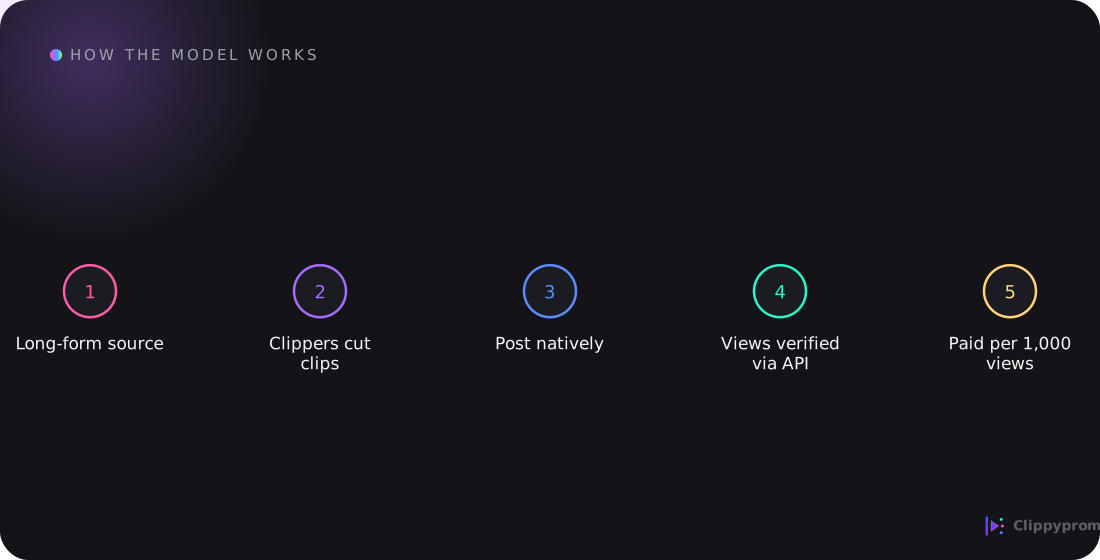
How a clipping campaign works
- The brand funds a pool. A campaign is created with a total budget (the pool), a rate per 1,000 views, and caps per video and per clipper so no single clip or account can drain the whole budget.
- Clippers join and submit. Verified clippers with an eligible following connect their social account, cut a clip from the approved source, and submit the link.
- Ownership and views are verified. The platform checks that the submitted link belongs to the clipper's own connected account, then polls the platform's own API for view counts on a schedule.
- Earnings are computed automatically. Verified views are multiplied by the rate per 1,000, capped, and held for a few days so bot or purged views cannot be paid out.
- Clippers get paid. Once the hold period passes, earnings settle and are paid out.
Why brands use clipping
Clipping solves three problems that single-creator sponsorships do not:
- Volume. One campaign produces dozens of native posts across many accounts instead of one post on one account.
- Pay for performance, not promises. A traditional sponsored post is paid whether or not it performs. A clipping campaign pays per verified view, so spend tracks results.
- Native distribution. Clips are posted by real accounts with their own audience and posting style, which reads as organic rather than an ad.
Who uses clipping
Clipping is most common in crypto, AI and SaaS, where founders, streamers and podcasters generate long-form content (X Spaces, YouTube livestreams, demo calls) that is rich in clip-worthy moments but rarely gets cut into short-form on its own. A clipping campaign turns that raw footage into a steady stream of short videos across the internet.
Is clipping the same as an affiliate program?
No. An affiliate program pays for a tracked conversion (a signup, a purchase). A clipping campaign pays for verified attention, measured in views on a piece of content the clipper made. The two can run alongside each other, but they reward different actions.
How much do clippers get paid?
It depends on the campaign's rate per 1,000 views and the caps set by the brand. Rates and caps are set upfront so both the brand's total spend and each clipper's potential payout are predictable before the campaign launches.
Read next: how clipping actually works, step by step, or see how clipping compares to KOL marketing.
Comments
No comments yet. Be the first.