Every clipping payout starts from one formula, then runs through three caps before it becomes a final number. Understanding the math matters whether you are a brand setting a budget or a clipper judging whether a campaign is worth the effort.
The base formula
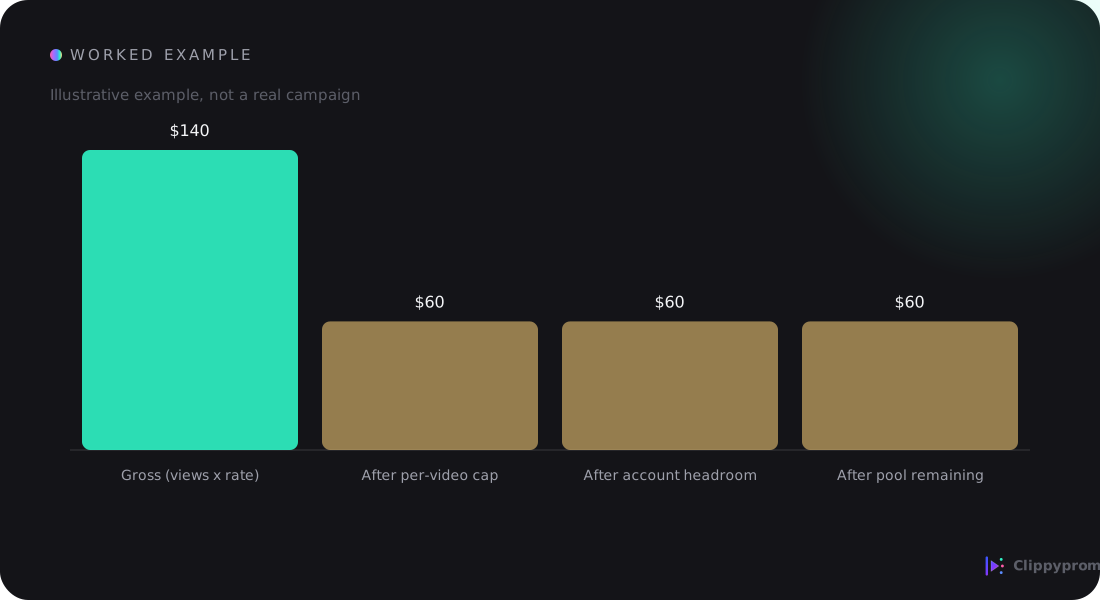
Gross earnings for a clip equal its verified views divided by 1,000, multiplied by the campaign's rate per 1,000 views. A clip with 40,000 verified views on a $3.50-per-1,000 campaign earns $140 gross, before any caps apply.
Cap 1: per-video cap
The per-video cap sets the maximum a single clip can earn, no matter how many views it gets. This exists so one unexpectedly viral clip cannot consume a campaign's entire budget on its own, leaving nothing for every other clipper.
Cap 2: per-account cap
The per-account cap limits how much one clipper's account can earn across the whole campaign, across all of their submitted clips combined. This keeps the payout spread across many creators instead of concentrating in one account that happened to post several clips.
Cap 3: pool cap
The pool cap is the campaign's total budget. Every clip's payout is also checked against what remains in the pool. Once the pool is spent, later clips earn nothing further, even if their views would otherwise justify a payout, which is why campaigns with active clippers often add funds before the pool runs dry.
Why the order matters
Caps apply in a fixed order (per-video, then per-account headroom, then pool headroom) so the math is deterministic and auditable. Two clips with identical view counts always resolve to the same payout logic, regardless of when they were submitted.
Why payment uses the floor, not the peak
View counts on short-form platforms can spike and later drop if the platform purges bot or fraudulent traffic. A clipping platform that pays on the highest number ever seen risks paying for views that no longer exist by the time the payout settles. Paying on the current, stabilized count instead protects the budget without shortchanging clippers for normal, honest view growth.
Can a clip earn more than the per-video cap by getting more views?
No. Once a clip's gross earnings reach the per-video cap, additional views on that clip do not increase its payout further.
What happens if the pool runs out mid-campaign?
Clips submitted before the pool was exhausted keep their computed payout. Clips that would resolve after the pool is spent receive nothing further from that campaign unless the brand adds more budget.
See the full campaign flow in how clipping works, and what to track once a campaign is live in clipping campaign KPIs that matter.
Comments
No comments yet. Be the first.